Choosing the Best Finger Jointer for Fast Production
In today’s highly competitive wood industry, efficiency, precision, and durability are no longer optional—they are essential. Manufacturers are constantly searching for innovative machinery that can enhance productivity while maintaining superior quality. This is where the Finger Jointer stands out as a game-changing solution.
A Finger Jointer is not just a machine—it is a productivity powerhouse that helps manufacturers optimize wood usage, reduce waste, and create stronger, more reliable joints. In this blog, you will discover how this technology is transforming modern wood manufacturing and why businesses that adopt it gain a strong competitive edge.
What is a Finger Jointer?
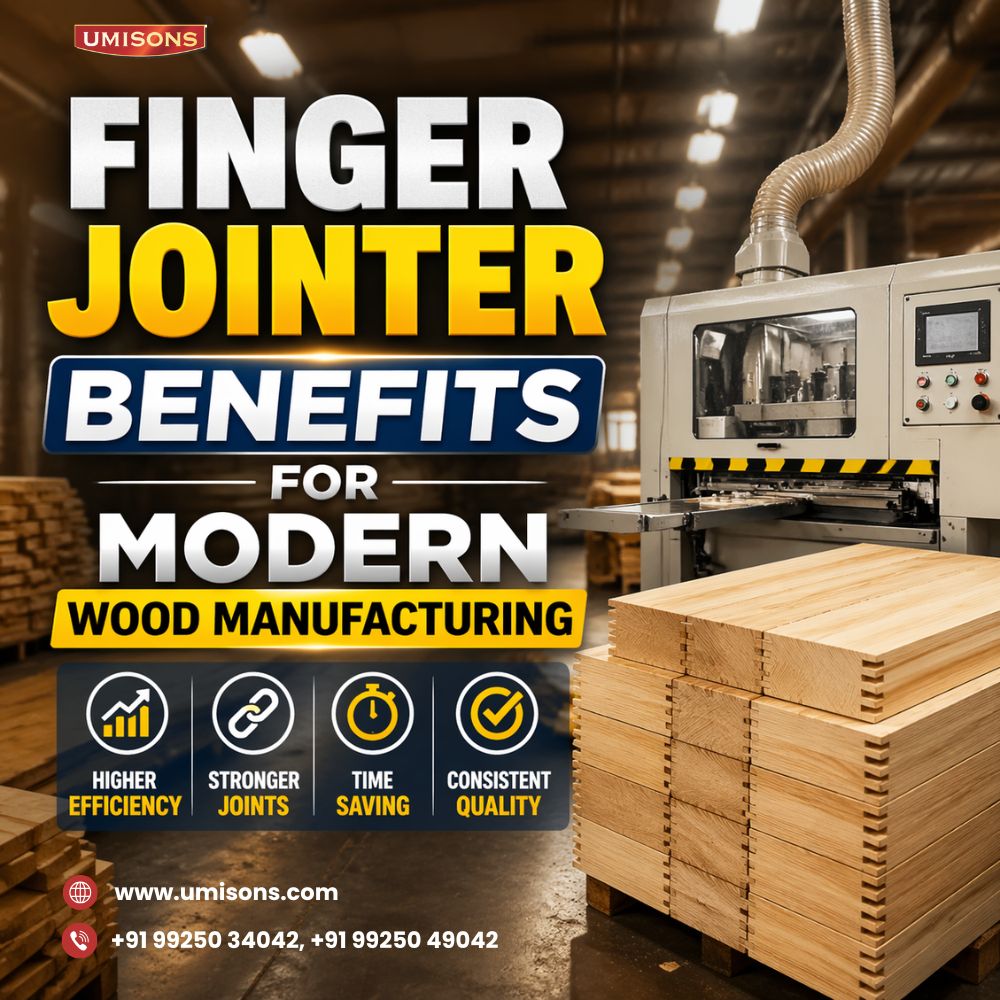
A Finger Jointer is a woodworking machine used to join smaller pieces of wood into longer, stronger, and more usable sections. It cuts interlocking “fingers” into the wood ends, which are then glued and pressed together to form a durable bond.
Key Features:
- High-precision cutting technology
- Strong adhesive bonding system
- Automated feeding and pressing
- Consistent output quality
Why Finger Jointer is Essential in Modern Manufacturing
1. Maximizes Raw Material Utilization
One of the biggest challenges in wood manufacturing is material wastage. A Finger Jointer allows manufacturers to use smaller wood pieces effectively.
Benefits include:
- Reduced wood waste
- Lower raw material costs
- Sustainable production practices
Instead of discarding short wood pieces, they can be transformed into valuable long boards.
2. Enhances Product Strength and Durability
Finger-jointed wood is often stronger than solid wood due to the interlocking structure.
Why strength improves:
- Increased surface area for bonding
- Even stress distribution
- High-quality adhesive application
This makes it ideal for:
- Furniture manufacturing
- Construction materials
- Flooring and paneling
3. Boosts Production Speed
Speed is crucial in modern manufacturing, and a Finger Jointer significantly improves production efficiency.
Key advantages:
- Automated processes reduce manual labor
- Faster joining compared to traditional methods
- Continuous production capability
This allows manufacturers to meet high demand without compromising quality.
4. Cost Efficiency and Higher Profit Margins
By reducing waste and increasing output, a Finger Jointer directly impacts profitability.
Cost-saving factors:
- Efficient material usage
- Reduced labor costs
- Lower rejection rates
Businesses can produce more with less, improving overall margins.
5. Eco-Friendly Manufacturing Solution
Sustainability is becoming a priority across industries. A Finger Jointer supports eco-friendly practices.
Environmental benefits:
- Minimizes wood wastage
- Promotes recycling of small wood pieces
- Reduces need for fresh timber
This helps companies align with global environmental standards.
Applications of Finger Jointer in Wood Industry
Furniture Manufacturing
Creates long, seamless wooden parts for:
- Tables
- Chairs
- Cabinets
Construction Industry
Used for:
- Structural beams
- Door and window frames
Flooring and Panels
Ensures:
- Smooth finishes
- Strong joints
Advanced Technology in Modern Finger Jointers
Today’s Finger Jointer machines are equipped with advanced features that enhance performance.
Automation Integration
- CNC control systems
- Programmable cutting patterns
Precision Engineering
- Accurate finger cutting
- Consistent joint quality
Smart Monitoring
- Real-time performance tracking
- Error detection systems
These advancements make the Finger Jointer more reliable and efficient than ever.
How to Choose the Right Finger Jointer
Modular Furniture Manufacturing
Manufacturers use edge banding machines to create modern furniture with clean finishes.
Interior Design Projects
Interior designers rely on edge banders to achieve premium looks in cabinets and wardrobes.
Office Furniture Production
Edge banders help maintain uniformity and durability in office furniture.
Kitchen Cabinet Manufacturing
Because kitchens require moisture-resistant materials, edge banding plays a vital role.
Ready to transform your wood manufacturing process? Explore advanced Finger Jointer solutions today and take your productivity to the next level.
How to Choose the Right Edge Bander Machine
Understand Your Production Needs
First, evaluate your daily output. If you handle bulk production, then an automatic edge banding machine is the best option.
Check Machine Specifications
Look for features like speed, glue systems, and trimming units. These factors directly affect performance.
Consider budget and ROI.
Although advanced machines cost more, they provide better returns over time. Therefore, always focus on long-term value.
Evaluate After-Sales Support
Reliable service ensures smooth operation. As a result, downtime decreases significantly.
Common Challenges and Solutions
Challenge 1: Initial Investment
Solution: Long-term ROI outweighs upfront cost
Challenge 2: Machine Maintenance
Solution: Regular servicing ensures smooth operation
Challenge 3: Skill Requirement
Solution: Modern machines are user-friendly and automated
Future of Finger Jointer in Wood Manufacturing
The demand for efficient and sustainable solutions is increasing rapidly. The Finger Jointer is expected to play a major role in the future of woodworking.
Upcoming Trends:
- AI-based automation
- Smart factory integration
- Energy-efficient machinery
Businesses adopting this technology early will gain a competitive advantage.
Finger Jointer Machine Boosts Wood Industry Efficiency: Conclusion
The Finger Jointer is revolutionizing modern wood manufacturing by improving efficiency, reducing waste, and enhancing product quality. It is a must-have solution for businesses aiming to stay competitive in today’s fast-paced market.
If you are looking to upgrade your production process, investing in a Finger Jointer can be one of the smartest decisions for long-term growth.